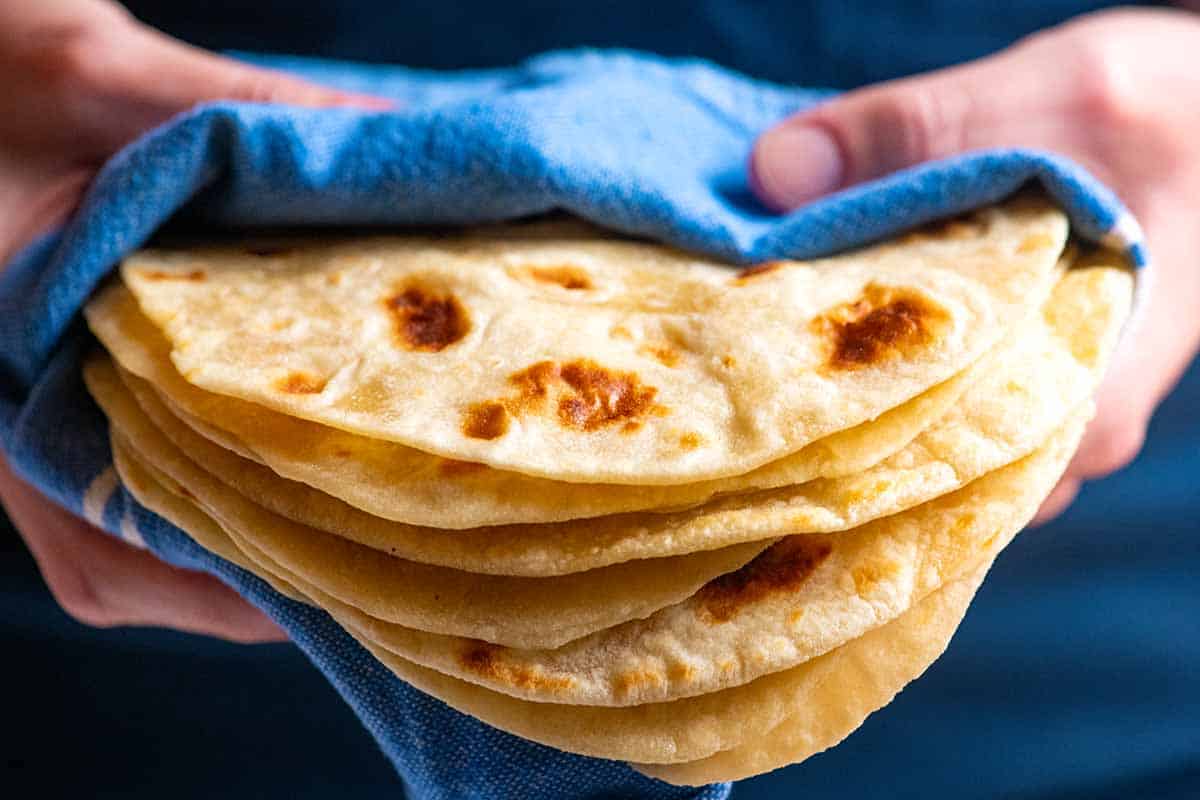
Mastering the Art of Soft & Pliable Flour Tortillas
There’s a unique satisfaction that comes with creating a batch of perfectly soft, pliable, and flavorful flour tortillas right in your own kitchen. Far superior to their store-bought counterparts, homemade tortillas elevate any meal, from simple tacos and burritos to quesadillas and wraps. Many aspire to achieve that ideal texture – warm, flexible, and tender – but wonder how to make the best flour tortillas consistently. It’s not just about a recipe; it's about understanding the science and technique behind each ingredient and step. In this comprehensive guide, we'll delve into the expert tips and secrets that will transform your tortilla-making skills, ensuring every batch is a triumph.The Foundation: Understanding Your Ingredients for Superior Softness
The journey to making the best flour tortillas begins long before your hands touch the dough. It starts with a deep appreciation for your ingredients and their specific roles. Each component contributes to the final texture and flavor, and understanding their function is key to mastering the craft.- Flour: The Heart of the Tortilla
While all-purpose flour is the standard, its protein content can vary. For tortillas, a flour with a lower protein content (around 10-12%) is generally preferred, as it develops less gluten, resulting in a more tender tortilla. Some bakers even mix in a small percentage of cake flour for extra softness. Always sift your flour to ensure a lump-free start and better aeration.
- Fat: The Secret to Pliability and Flavor
This is where much of the magic happens. Fat interferes with gluten development, making the tortillas soft and preventing them from becoming tough. The type of fat also significantly impacts flavor:
- Lard (Manteca): The traditional choice for good reason. Lard yields incredibly tender, flavorful tortillas with a distinct richness. If you're wondering Unlock the Secret to Best Homemade Flour Tortillas, often it points to using quality lard.
- Vegetable Shortening: A neutral-flavored alternative to lard that still provides excellent tenderness. It’s a reliable choice for consistent results.
- Vegetable Oil: While convenient, oil can sometimes make tortillas a bit greasier and less pliable than solid fats. If using oil, aim for one with a neutral flavor, like canola or sunflower oil.
- Butter: Can be used for a rich, buttery flavor, but its lower melting point can make the dough slightly trickier to handle and can sometimes result in a less traditional texture.
Regardless of your choice, ensure the fat is cold and cut into small pieces, or even grated, before mixing to ensure even distribution.
- Water: The Critical Hydrator
The temperature of your water is paramount. Warm to hot water (around 120-130°F or 50-55°C) is essential for two reasons: it helps dissolve the fat more effectively, and it relaxes the gluten, leading to a much more pliable dough. Too cold, and your fat won't incorporate properly; too hot, and you risk cooking the flour.
- Salt: For Flavor Balance
Don't underestimate salt! It enhances the flavor of the flour and fat, ensuring your tortillas aren't bland. Use fine salt for even distribution.
- Leavening (Baking Powder): The Softness Booster (Optional but Recommended)
A small amount of baking powder helps create a slightly lighter, airier texture and contributes significantly to pliability. It reacts with heat during cooking, creating small air pockets that make the tortilla less dense and more tender.
The Art of Mixing and Kneading: Developing the Perfect Dough
Once you have your ingredients, the next critical steps in learning how to make the best flour tortillas involve bringing them together correctly. This stage sets the groundwork for the dough's texture and elasticity.1. Combining Dry Ingredients: In a large bowl, whisk together the flour, salt, and baking powder (if using). This ensures all dry components are evenly distributed.
2. Incorporating the Fat: Add your cold, cubed or grated fat to the dry ingredients. Using your fingertips, a pastry blender, or a stand mixer with a paddle attachment, work the fat into the flour until the mixture resembles coarse crumbs. There should be no large chunks of fat remaining, but it shouldn't be completely uniform like paste either. Small, pea-sized pieces are ideal – these will melt during cooking, creating those desirable pockets of tenderness.
3. Hydrating the Dough: Gradually add the hot water, mixing with a wooden spoon or your hands until a shaggy dough forms. Be cautious not to add all the water at once; flour absorption varies. Continue adding water a tablespoon at a time until the dough just comes together. It should be soft, but not sticky. This careful hydration is key to achieving The Ultimate Guide to Perfect Homemade Flour Tortillas.
4. Kneading for Suppleness: Turn the dough out onto a lightly floured surface. Knead for 5-10 minutes. The goal is to develop some gluten, but not too much. You want a dough that is smooth, elastic, and no longer sticky. It should bounce back slightly when pressed. Over-kneading can lead to tough tortillas, while under-kneading can result in crumbly ones.
5. The Crucial Rest: This is arguably one of the most vital steps for achieving pliability. Once kneaded, cover the dough with plastic wrap or a damp towel and let it rest at room temperature for at least 30 minutes, or up to 2 hours. This resting period allows the gluten to relax completely, making the dough incredibly easy to roll and preventing it from shrinking back. It also allows the flour to fully hydrate, resulting in a much softer final product.
Perfecting Your Technique: Rolling and Cooking for Optimal Results
With a well-rested dough, you're now ready for the final, transformative steps. This is where your technique will shine in producing the softest, most pliable tortillas.1. Dividing and Shaping Dough Balls: Divide the rested dough into equal portions. For standard tacos, aim for golf-ball sized pieces (about 1.5-2 ounces or 40-55 grams each). Roll each piece into a tight, smooth ball. This creates tension on the surface, which helps when rolling. Cover the dough balls and let them rest again for another 15-20 minutes. This second rest is often overlooked but further relaxes the gluten, making rolling incredibly easy.
2. Rolling to Perfection: Lightly flour your work surface and rolling pin. Take one dough ball and flatten it slightly with your hand. Roll from the center outwards, rotating the dough frequently to create a round shape. Aim for a very thin tortilla, almost translucent in places. The thinner the tortilla, the faster it cooks and the more tender it will be. If the dough springs back, let it rest for a minute or two before continuing.
3. The Ideal Cooking Surface: A cast-iron griddle (comal) is traditional and provides excellent, even heat. If you don't have one, a heavy-bottomed cast-iron skillet or a non-stick pan will work well. Heat your cooking surface over medium-high heat. You want it hot enough to cook quickly, but not so hot that it burns the tortillas before they can cook through. A good test is to flick a few drops of water onto the surface; they should sizzle and evaporate instantly.
4. The Art of Cooking: Place one rolled tortilla onto the hot, dry cooking surface. Cook for about 30-45 seconds on the first side, until bubbles begin to form on the surface and the edges start to look dry. Flip the tortilla. Cook for another 20-30 seconds on the second side. It should develop light brown spots. Flip one more time for a final 10-15 seconds; this is often when the tortilla will puff up dramatically, indicating a beautifully cooked, pliable tortilla. Don't overcook, or they will become stiff and brittle!
5. Keeping Them Soft: As each tortilla finishes cooking, immediately transfer it to a tortilla warmer or a clean kitchen towel lined basket. Wrap them tightly. The residual steam will keep them warm, soft, and pliable, preventing them from drying out. This step is crucial for maintaining that desired texture.
Troubleshooting Common Tortilla Problems
Even with the best intentions, you might encounter a few hurdles. Here's how to tackle common issues:- Tough Tortillas: This is usually due to too much gluten development (over-kneading) or not enough rest time. Ensure proper kneading duration and ample resting periods.
- Crumbly Dough: Too little water, or not enough fat. Add water gradually until the dough is cohesive and pliable.
- Sticky Dough: Too much water. Add a small amount of flour, a tablespoon at a time, until the stickiness is gone.
- Tortillas Shrink Back When Rolling: The gluten hasn't relaxed enough. Give the dough balls another 5-10 minutes to rest, covered.
- Hard Edges or Dry Tortillas: Overcooking is the most common culprit. Cook quickly on a hot surface, and store immediately in a warm, sealed environment.
